
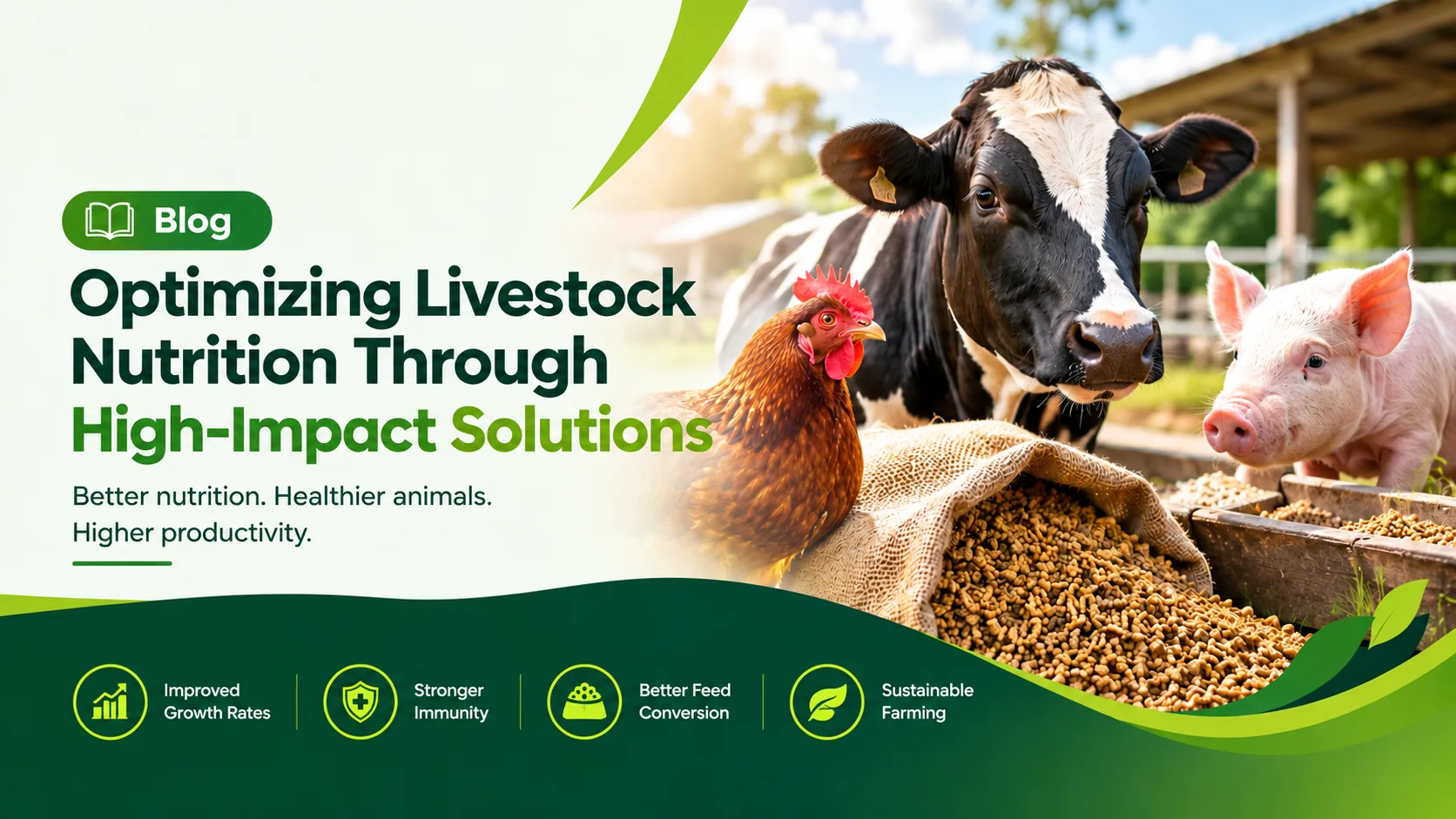
Optimizing livestock nutrition is paramount for achieving high productivity, improving animal health, and maximizing profitability in livestock farming. This article explores high-impact solutions that can significantly enhance the nutritional status of your livestock, leading to substantial improvements in your bottom line. We'll delve into practical strategies and innovative approaches, providing actionable insights for farmers of all sizes.
1. Understanding Nutritional Requirements
Before implementing any high-impact solution, a thorough understanding of your livestock's specific nutritional needs is crucial. This involves considering factors such as:
- Species: Different livestock species (cattle, poultry, pigs, sheep, goats) have varying nutritional requirements.
- Breed: Breed-specific nutritional needs can also influence feed formulation.
- Age and Physiological Stage: Nutritional requirements change dramatically throughout an animal's life cycle (e.g., growth, pregnancy, lactation).
- Production Level: High-producing animals require more nutrients than those with lower production levels.
- Environmental Conditions: Climate and environmental factors can impact nutrient requirements.
2. High-Impact Nutrition Strategies
Precision Feeding: Implementing precision feeding techniques, such as using automated feeding systems and data-driven analysis, allows for tailored nutrient delivery based on individual animal needs. This minimizes waste and maximizes feed efficiency.
Improved Feed Quality: Ensuring high-quality feed is fundamental. This involves sourcing ingredients from reputable suppliers, conducting regular feed analysis, and minimizing mycotoxin contamination.
Feed Additives: Strategic use of feed additives, such as probiotics, prebiotics, enzymes, and yeast, can enhance nutrient digestibility, improve gut health, and boost immunity.
Mineral Supplementation: Addressing mineral deficiencies through targeted supplementation is crucial for optimal growth, reproduction, and overall health. Regular soil and forage testing can help identify deficiencies.
Forage Management: Optimizing forage quality and availability is essential, especially for ruminant animals. This includes implementing rotational grazing, improving pasture management, and utilizing silage or haylage for consistent feed supply.
Water Availability: Access to clean, fresh water is often overlooked but is critical for optimal livestock performance. Ensure adequate water troughs and regular water quality checks.
Data-Driven Decision Making: Utilizing data from weight monitoring, feed intake records, and health assessments allows for informed decision-making regarding nutrition strategies.
3. Measuring The Impact
Tracking key performance indicators (KPIs) is essential to assess the effectiveness of your nutrition optimization strategies. These KPIs might include:
- Average Daily Gain (ADG): Measure the rate of weight gain in livestock.
- Feed Conversion Ratio (FCR): Indicates the efficiency of feed utilization.
- Milk Production (for dairy animals): Measure milk yield and quality.
- Egg Production (for poultry): Measure egg laying rate and egg quality.
- Mortality Rate: Indicates the overall health and resilience of the livestock.
4. Sustainable Practices
Integrating sustainable practices into your livestock nutrition program is crucial for long-term success and environmental responsibility. This includes:
- Reducing Feed Waste: Implementing strategies to minimize feed wastage through proper storage, efficient feeding systems, and accurate feed formulation.
- Utilizing Locally Sourced Ingredients: Reducing transportation costs and supporting local economies by sourcing feed ingredients locally.
- Minimizing Environmental Impact: Adopting sustainable farming practices that minimize the environmental footprint of livestock production.
Optimizing livestock nutrition through high-impact solutions is a multifaceted approach that requires careful planning, implementation, and monitoring.
Conclusion
By implementing the strategies outlined in this article, livestock farmers can significantly improve animal health, productivity, and profitability while promoting sustainable farming practices. Remember to consult with animal nutrition experts for tailored advice specific to your livestock and operational context.
Need Help Formulating Your Feed?
Talk to our team for feed recommendations tailored to your livestock.
Chat On WhatsApp